
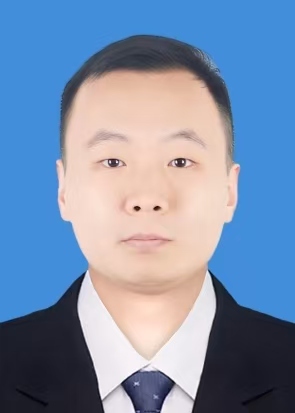
Sun Qingtao, Doctoral Supervisor
Institute of Genetics and Developmental Biology, Chinese Academy of Sciences
Email: qtsun@genetics.ac.cn
Office Phone: 010-64806508
Address: No. 1, West Beichen Road, Chaoyang District, Beijing, Institute of Genetics and Developmental Biology
Postal Code: 100101
Research Areas
Neurons form neural circuits through synaptic connections, which serve as the basic structural and functional units of the brain's neural network. Recent studies have shown that neural circuits in the brain not only regulate conventional functions such as learning and memory but also communicate with peripheral organs to maintain body homeostasis and metabolic balance. Chronic diseases such as cancer interfere with normal brain–body interactions through signaling molecules like inflammatory cytokines, leading to metabolic imbalance and eventually disease states such as cachexia.
The research group of Dr. Sun Qingtao is dedicated to integrating techniques such as fiber photometry, optogenetics, chemogenetics, in vivo and ex vivo imaging, and electrophysiology to dissect neuro‑immune interactions and elucidate the neural circuit mechanisms that regulate peripheral tumor growth and cancer cachexia. In combination with molecular biology, biochemistry, multi‑omics analysis and other approaches, the group aims to develop novel drugs and therapies for cancer cachexia. Specific research directions include:
- Key neural circuits mediating cachexia development: Using state‑of‑the‑art imaging techniques and neural circuit manipulation tools, the group seeks to identify key neural circuits in the brain that govern the progression of cancer cachexia.
- Development of small‑molecule and nucleic acid drugs for cancer cachexia: Employing technologies such as antisense oligonucleotides (ASOs), the group targets key molecules involved in cachexia development and develops ASOs against specific genes for the treatment of cachexia.
- Key neural circuits for learning and memory in the brain: Using advanced imaging and neural circuit manipulation techniques, the group investigates key neural circuits that regulate learning and memory, aiming to understand the connections between brain–body interaction circuits and those controlling learning and memory.
Sun Qingtao, Ph.D., Principal Investigator, Doctoral Supervisor. He received his Bachelor's degree in 2013 and Ph.D. in 2019 from Huazhong University of Science and Technology (HUST) (supervised by Professors Gong Hui and Luo Qingming). From 2020 to 2021, he worked as an Assistant Research Fellow at the Suzhou Institute of Brain‑Space Intelligence, HUST. From 2021 to 2025, he conducted postdoctoral research at Cold Spring Harbor Laboratory (supervised by Professor Li Bo). In February 2026, he joined the Institute of Genetics and Developmental Biology, Chinese Academy of Sciences. He is a recipient of a national young talent program. His research focuses on dissecting neuro‑immune interactions that regulate tumor development and metabolic abnormalities (cachexia), aiming to understand how the brain, while performing conventional functions such as learning and memory, interacts with peripheral organs to maintain body homeostasis. He has published over 20 papers in journals including Nature Neuroscience, Neuron, and Nature Communications.
Education
2013-09–2019-12: Ph.D. / Doctor of Engineering, Huazhong University of Science and Technology
2009-09–2013-07: Bachelor's degree, Huazhong University of Science and Technology
Experience
Work Experience
2026-02–present: Principal Investigator, Institute of Genetics and Developmental Biology, Chinese Academy of Sciences
2021-02–2025-05: Postdoctoral Fellow, Cold Spring Harbor Laboratory
2020-06–2021-02: Assistant Research Fellow, Huazhong University of Science and Technology
Publications
(1) Dynorphin modulates motivation through a pallido-amygdala cholinergic circuit., Neuron, 2025, first author, correspondence author
(2) Area postrema neurons mediate interleukin-6 function in cancer cachexia., Nature Communications, 2024, first author
(3) Unlocking opioid neuropeptide dynamics with genetically encoded biosensors. , Nature Neuroscience, 2024, contributing author
(4) Long-range connectome of pyramidal neurons in the sensorimotor cortex., iScience, 2023, contributing author
(5) Acetylcholine deficiency disrupts extratelencephalic projection neurons in the prefrontal cortex in a mouse model of Alzheimer’s disease. , Nature Communications, 2022, first author
(6) Continuous subcellular resolution three-dimensional imaging on intact macaque brain. , Science Bulletin, 2022, contributing author
(7) The mesoscopic connectome of the cholinergic pontomesencephalic tegmentum., Frontiers in Neuroanatomy, 2022, contributing author
(8) Dissection of the long-range projections of specific neurons at the synaptic level in the whole mouse brain. , Proceedings of the National Academy of Sciences of the United States of America, 2022, contributing author
(9) Multicolor high-resolution whole-brain imaging for acquiring and comparing the brain-wide distributions of type-specific and projection-specific neurons with anatomical annotation in the same brain., Frontiers in Neuroscience, 2022, contributing author
(10) Whole-brain connectivity atlas of glutamatergic and GABAergic neurons in the mouse dorsal and median raphe nuclei., Elife, 2021, contributing author
(11) Plastic embedding for precise imaging of large-scale biological tissues labeled with multiple fluorescent dyes and proteins. , Biomedical Optics Express, 2021, contributing author
(12) Ventral hippocampal-prefrontal interaction affects social behavior via parvalbumin positive neurons in the medial prefrontal cortex., iScience, 2020, first author
(13) Whole-brain three-dimensional profiling reveals brain region specific axon vulnerability in 5xFAD mouse model., Frontiers in Neuroanatomy, 2020, contributing author
(14) Scalable resin embedding method for large-volume brain tissues with high fluorescence preservation capacity., iScience, 2020, contributing author
(15) Continuous imaging of large-volume tissues with a machinable optical clearing method at subcellular resolution. , Biomedical Optics Express, 2020, contributing author
(16) A whole-brain map of long-range inputs to GABAergic interneurons in the mouse medial prefrontal cortex. , Nature neuroscience, 2019, first author
(17) Generation of a whole-brain atlas for the cholinergic system and mesoscopic projectome analysis of basal forebrain cholinergic neurons. , Proceedings of the National Academy of Sciences, 2018, contributing author
(18) Simultaneous acquisition of neuronal morphology and cytoarchitecture in the same Golgi-stained brain. , Biomedical Optics Express, 2018, contributing author
(19) RTF: a rapid and versatile tissue optical clearing method., Scientific reports, 2018, contributing author
(20) TDat: an efficient platform for processing petabyte-scale whole-brain volumetric images. , Frontiers in neural circuits, 2017, contributing author
(21) High-throughput dual-colour precision imaging for brain-wide connectome with cytoarchitectonic landmarks at the cellular level. , Nature Communications, 2016, contributing author
(22) iCut: an integrative cut algorithm enables accurate segmentation of touching cells., Scientific reports, 2015, contributing author
Papers
(1) Dynorphin modulates motivation through a pallido-amygdala cholinergic circuit., Neuron, 2025, first author, correspondence author
(2) Area postrema neurons mediate interleukin-6 function in cancer cachexia., Nature Communications, 2024, first author
(3) Unlocking opioid neuropeptide dynamics with genetically encoded biosensors. , Nature Neuroscience, 2024, contributing author
(4) Long-range connectome of pyramidal neurons in the sensorimotor cortex., iScience, 2023, contributing author
(5) Acetylcholine deficiency disrupts extratelencephalic projection neurons in the prefrontal cortex in a mouse model of Alzheimer’s disease. , Nature Communications, 2022, first author
(6) Continuous subcellular resolution three-dimensional imaging on intact macaque brain. , Science Bulletin, 2022, contributing author
(7) The mesoscopic connectome of the cholinergic pontomesencephalic tegmentum., Frontiers in Neuroanatomy, 2022, contributing author
(8) Dissection of the long-range projections of specific neurons at the synaptic level in the whole mouse brain. , Proceedings of the National Academy of Sciences of the United States of America, 2022, contributing author
(9) Multicolor high-resolution whole-brain imaging for acquiring and comparing the brain-wide distributions of type-specific and projection-specific neurons with anatomical annotation in the same brain., Frontiers in Neuroscience, 2022, contributing author
(10) Whole-brain connectivity atlas of glutamatergic and GABAergic neurons in the mouse dorsal and median raphe nuclei., Elife, 2021, contributing author
(11) Plastic embedding for precise imaging of large-scale biological tissues labeled with multiple fluorescent dyes and proteins. , Biomedical Optics Express, 2021, contributing author
(12) Ventral hippocampal-prefrontal interaction affects social behavior via parvalbumin positive neurons in the medial prefrontal cortex., iScience, 2020, first author
(13) Whole-brain three-dimensional profiling reveals brain region specific axon vulnerability in 5xFAD mouse model., Frontiers in Neuroanatomy, 2020, contributing author
(14) Scalable resin embedding method for large-volume brain tissues with high fluorescence preservation capacity., iScience, 2020, contributing author
(15) Continuous imaging of large-volume tissues with a machinable optical clearing method at subcellular resolution. , Biomedical Optics Express, 2020, contributing author
(16) A whole-brain map of long-range inputs to GABAergic interneurons in the mouse medial prefrontal cortex. , Nature neuroscience, 2019, first author
(17) Generation of a whole-brain atlas for the cholinergic system and mesoscopic projectome analysis of basal forebrain cholinergic neurons. , Proceedings of the National Academy of Sciences, 2018, contributing author
(18) Simultaneous acquisition of neuronal morphology and cytoarchitecture in the same Golgi-stained brain. , Biomedical Optics Express, 2018, contributing author
(19) RTF: a rapid and versatile tissue optical clearing method., Scientific reports, 2018, contributing author
(20) TDat: an efficient platform for processing petabyte-scale whole-brain volumetric images. , Frontiers in neural circuits, 2017, contributing author
(21) High-throughput dual-colour precision imaging for brain-wide connectome with cytoarchitectonic landmarks at the cellular level. , Nature Communications, 2016, contributing author
(22) iCut: an integrative cut algorithm enables accurate segmentation of touching cells., Scientific reports, 2015, contributing author
Patents
( 1 ) Compositions, Systems and Methods for Manipulating Area postrema Neurons based on Gfral Sensing, 2025, fourth inventor, patent number: US20250368713A1
Research Interests
- Neuro-metabolism, Neuro-oncology, Neuroimmunology
- Learning and memory, Medial prefrontal cortex, Acetylcholine
- Antisense oligonucleotides, Gene therapy
Honors & Distinctions
(1) Cold Spring Harbor Postdoctoral Science Breakthrough Award, 2025
(2) Outstanding Doctoral Dissertation Award of the Chinese Society of Biomedical Engineering, 2020